Home Buyers Service

Finding the perfect home is more than just searching listings — it’s about understanding your needs, lifestyle, and future goals. I guide you through every step of the buying process, from exploring neighbourhoods and arranging viewings to negotiating the best possible terms for your purchase.

Whether you’re a first-time buyer or an experienced homeowner, I provide the local market insights, professional advice, and trusted connections you need to make confident decisions. Together, we’ll ensure your home-buying experience is seamless, informed, and truly rewarding.

RSS

Did You Know? UBC Now Has an Urgent and Primary Care Centre Right on Campus

If you're living in UBC, here's something worth knowing about! A new healthcare facility has opened right here on campus, making access to certain medical services more convenient for residents.

The UBC Urgent and Primary Care Centre (UPCC), operated by Vancouver Coastal Health (VCH), opened on March 31, 2026, at 6165 Agronomy Road.

Although it's located on the UBC campus, the centre is operated by Vancouver Coastal Health, not the University of British Columbia. It provides healthcare services to UBC students, staff and people living in the surrounding communities.

What Is an Urgent and Primary Care Centre?

An Urgent and Primary Care Centre (UPCC) provides same-day medical care for urgent but non-life-threatening health concerns.

If you need medical attention within 12 to 24 hours and cannot see your family doctor or nurse practitioner, the UPCC may be another option.

According to the UBC Urgent and Primary Care Centre page on the Vancouver Coastal Health website, the facility provides care for conditions such as:

  • High fevers

  • Sprains and strains caused by minor accidents and falls

  • Minor bleeding or cuts that require stitches

  • Minor burns that may require care

  • Mild to moderate breathing difficulty or asthma attacks

  • Sinus, oral or lung infections

  • Nausea, vomiting, diarrhea or constipation

  • Skin conditions such as rashes or infections

  • Minor allergic reactions

  • Pain or burning when urinating

  • Non-severe new or worsening pain

  • New or worsening mental health concerns

Vancouver Coastal Health notes that this list is not exhaustive and that whether a UPCC is appropriate depends on each person's specific situation.

On-Site X-ray Services

Another useful feature of the UBC UPCC is that X-ray services are available right at the facility.

Urgent X-rays are available for patients who require medical assessment. The centre also accepts patients with a valid imaging requisition from a BC healthcare provider for non-urgent X-rays. These patients can walk in or book an appointment.

This is another convenient service for people living in UBC, particularly when medical imaging is needed without having to travel to another location.

Convenient Healthcare Right on Campus

For people living in UBC, having this facility nearby is a welcome addition.

Instead of having to travel off campus for certain urgent medical concerns, residents now have another healthcare option close to home.

The centre offers extended operating hours, including evenings and weekends, making it particularly convenient for people who may not be able to visit a medical clinic during regular business hours.

Location: 6165 Agronomy Road, Vancouver, BC

Phone: 236-466-6196

Hours of Operation:

  • Monday to Saturday: 8:00 AM – 10:00 PM

  • Sunday: 9:00 AM – 5:00 PM

The centre is also open on statutory holidays. Keep in mind that due to high patient volumes, it may stop accepting new patients before closing time.

For more information about available services, eligibility and current operating hours, visit the official Vancouver Coastal Health website:

UBC Urgent and Primary Care Centre – Vancouver Coastal Health

How Is It Different From UBC Hospital's Emergency Department?

Many people already know that UBC Hospital has an Emergency Department. Now, with the addition of the Urgent and Primary Care Centre, residents have another option when they need medical attention.

The main difference is the type of care provided.

The Urgent and Primary Care Centre is intended for non-life-threatening medical concerns that require prompt attention. UBC Hospital's Emergency Department handles more serious conditions and medical emergencies.

Having both facilities on campus gives residents access to two different healthcare options, depending on the urgency of their medical needs.

Of course, for serious or life-threatening emergencies, always call 911 or go directly to an emergency department.

Another Convenience of Living in UBC

When people think about living in UBC, they often think about the beautiful surroundings, proximity to the ocean, parks, walking trails, beaches, schools and shopping.

But access to healthcare is another important part of everyday living.

With UBC Hospital's Emergency Department and the new Vancouver Coastal Health Urgent and Primary Care Centre, residents now have two healthcare facilities right on campus, each serving a different purpose.

It's another example of the everyday conveniences that make living in UBC appealing to residents, families and those considering making the neighbourhood their home.


Thinking About Living in UBC?

As a real estate agent who has lived in the UBC community for over 20 years, I enjoy sharing what makes this neighbourhood such a great place to call home.

If you're thinking about buying or selling a home in UBC, or know someone who is, feel free to get in touch. I'd be happy to help!

Len Diaz | RE/MAX City Realty

Read

What Is It Really Like to Live at UBC? A Resident's Perspective After 20 Years

What Is It Really Like to Live in UBC? A Resident's Perspective After 20 Years

I've lived on the UBC campus for over 20 years, for most of our daughter's life. What originally brought us here wasn't real estate, the university lifestyle or even the beautiful surroundings. It was daycare.

When our daughter was just 13 months old, she was accepted into the UBC daycare system. For us, it felt like winning the lottery. At the time, we were living in West Vancouver and initially planned on driving her to UBC every day.

It didn't take long for us to realize that wasn't going to work. Within the first week of commuting, she was having a difficult time being strapped into her car seat for the long drive to and from campus. She would cry throughout the trip, and it quickly became clear that the commute was taking a toll on her.

So we made a big decision. We sold our home in West Vancouver. Luckily, it sold within the first weekend, allowing us to move to UBC almost immediately.

More than 20 years later, we're still here.

Looking back, what started as a practical decision to make life easier for our young daughter turned into something much more. UBC became our home, our community and the place where our family would spend some of its most memorable years.

A Neighbourhood That Never Quite Stays the Same

Unlike most neighbourhoods I've lived in, life on a university campus is never quite boring. Especially in Hawthorn Place, where we live along Thunderbird Boulevard.

We're about a block away from the first-year student residences, so we get a front-row seat to one of the most interesting times of the year on campus.

Every late August or early September, our neighbourhood comes alive again as a new batch of first-year students moves onto campus. It's always a fun sight to see proud parents helping their excited sons and daughters move into residence. For many of these students, it's their first taste of independence, living away from home and making their own decisions.

Even as longtime residents, it's something we look forward to seeing every year. There's an energy that comes with welcoming a new group of neighbours.

The first few weeks of the school year are especially lively. Events such as Jump Start, student orientation and Homecoming bring students together and create a buzz throughout the campus.

Then, as October rolls around, the excitement settles down. Students get into their routines, classes become busier and the campus gradually finds its rhythm for the academic year.

Sports, Recreation and Things to Do

Living in UBC means having access to a surprising number of activities without having to leave the neighbourhood.

For sports fans, there are opportunities to watch UBC's varsity teams play throughout the year. Depending on the sport and event, some games are free while others require tickets. It's a great way to enjoy live sports close to home and experience the excitement of university athletics.

UBC attracts talented student athletes from high schools across Canada, and there's always something happening in university sports.

If golf is your thing, UBC even has a driving range on campus, right beside the University Golf Club, which also offers a public golf course. Whether you're looking to practice your swing or enjoy a full round of golf, it's conveniently close by.

For those who enjoy walking, running or simply spending time outdoors, there are plenty of trails in and around the campus. Between the surrounding greenery, pathways and access to nature, it's easy to find places to get outside and enjoy a break from everyday life.

Grocery Shopping and Everyday Convenience

One of the things that makes living in UBC convenient is having several options when it comes to grocery shopping.

Whether you're looking for your regular weekly groceries or something a little different, there are several places to choose from. Save-On-Foods is one option, while H-Mart is a great place to visit if you're looking for Korean and other Asian groceries, snacks and specialty items.

Having different grocery stores within the community makes everyday errands much easier, particularly for families who prefer not to drive elsewhere just to pick up a few things.

A Variety of Restaurants Right on Campus

You might not expect a university campus to offer such a diverse selection of restaurants, but UBC has quite a few options.

One of the things I enjoy is the variety of international cuisines available. Whether you're in the mood for Japanese ramen, Persian food or Chinese cuisine, there are choices within the campus community.

Some examples include Kinton Ramen, Sahel for Persian dishes and Neptune Chinese Kitchen.

It's nice having different dining options nearby, whether you're meeting friends, grabbing a casual meal or simply don't feel like cooking.

Enjoying the Outdoors: Trails, Beaches and Fresh Air

One of the things we've always appreciated about living in UBC is how close we are to nature. You don't have to travel far to get away from the city and enjoy the outdoors.

During the summer, we would often head out for walks along the many trails around campus and through Pacific Spirit Regional Park. There are so many beautiful walking routes that you can keep discovering different areas without having to go very far.

Wreck Beach is another unique feature of living in this part of Vancouver. My wife used to make a regular workout out of walking down and climbing back up the famous 400 steps to the beach. It's certainly one way to get some exercise!

Spanish Banks is also just about a five-minute drive away. When our daughter was younger, one of our favourite things to do during the summer was to pick up dinner after work and take it to the beach. We'd enjoy our meal by the water while she played in the sand. Sometimes we'd simply sit and watch people playing beach volleyball.

These are the kinds of simple experiences that make living here special. Having beautiful outdoor spaces so close to home gives you plenty of opportunities to enjoy the outdoors without having to plan an entire day around it.

What Happens During the Summer?

One of the biggest changes throughout the year is what happens when the university's academic year comes to an end.

From May through late August, the campus becomes noticeably quieter, particularly in the evenings. With many students away for the summer, the neighbourhood takes on a different atmosphere. The usual student activity slows down, and the campus becomes a much quieter place at night.

But that doesn't mean there's nothing happening.

During July and August, UBC hosts summer camps for children from throughout Greater Vancouver. There are various activities and programs that bring a different group of young people and families onto campus.

So while the student population may be away, there's still plenty of activity during the daytime.

A Real Neighbourhood and a Sense of Community

One thing I didn't fully appreciate when we first moved to UBC was how strong the neighbourhood community would become.

After living here for more than 20 years, I can honestly say that most of our friends are from our own neighbourhood. Our children grew up together, and many of those friendships started at the various playgrounds scattered throughout the community.

You would see the same families at the playgrounds, and over time, casual conversations turned into friendships. Before long, the children were growing up together and the parents were getting to know one another.

I think one of the reasons the community works so well is that many of the families share similar priorities. We all make time for our children, and spending time together as a family is something we have in common.

Despite being part of a university campus where students come and go every year, Hawthorn Place has developed a genuine neighbourhood feeling. There are families who have lived here for many years, children who grew up together and friendships that have lasted well beyond the playground years.

For me, that's one of the most rewarding parts of living here. UBC isn't just where we live. It's where we've built our community.

Who Should Consider Living in UBC?

After more than 20 years of living here, my answer would be just about anyone.

You don't necessarily need to work or study at UBC to enjoy living on campus. Families, students, university faculty and staff can all benefit from what this community has to offer.

For families, I think UBC is an especially wonderful environment in which to raise children. There's access to educational facilities, recreation, green spaces and a community that offers a different lifestyle from many other Vancouver neighbourhoods.

Even students whose parents live elsewhere in Greater Vancouver can benefit from experiencing campus life and living independently. You don't have to be from another city or country to appreciate what it's like to live on campus.

For university faculty and staff with families, living close to where you work can also make everyday life much more convenient.

And for anyone else considering a move, I would encourage them to come and experience the neighbourhood for themselves.

More Than 20 Years Later, We're Still Calling UBC Home

When we first moved to UBC, it was simply a decision that made sense for our young daughter and our family. We never imagined that more than 20 years later, we'd still be here.

Over the years, we've watched generations of students come and go, raised our daughter here, made lifelong friendships with our neighbours and enjoyed everything this unique community has to offer.

After all these years, there's honestly nothing I can say I don't like about living here.

UBC has given us much more than a place to live. It's given us a lifestyle, a community and countless memories.

And if I had to make that decision all over again, I wouldn't hesitate.

Thinking About Moving to UBC?

As a real estate agent who has called UBC home for more than 20 years, I'd be happy to help if you're considering moving to the university community. Feel free to give me a call, or pass my contact information along to anyone you know who is looking to buy or sell a home at UBC.

Read

University Hill Secondary School (UHill): A Parent and Student Perspective

University Hill Secondary School (UHill): A Parent and Student Perspective

For families considering a move to the University of British Columbia (UBC), choosing the right school is often an important part of the decision. University Hill Secondary School, commonly known as UHill, is one of the schools that makes the UBC neighbourhood particularly attractive to families.

Having lived in the UBC community for many years and having our daughter attend both Norma Rose Point School and University Hill Secondary, we have had the opportunity to experience the school system here firsthand.

We wanted to share both a parent's perspective and our daughter's experience as a student at UHill, including what we liked, what surprised us and what made her high school years memorable.

Choosing University Hill Secondary

Before our daughter started at UHill, we had already heard many positive things about the school. At the time we were considering high schools for her, UHill was highly ranked among public high schools in Greater Vancouver and had a strong academic reputation.

We understood that the school had a smaller student population than many other public high schools in Greater Vancouver. Academic achievement was certainly one of the reasons we considered it, but we were also interested in the opportunity for our daughter to attend a school within the UBC community.

Our expectations were that she would be challenged academically and surrounded by motivated students.

What surprised us most was how intimate and inclusive the school environment was. Despite its academic reputation, UHill did not feel like a place focused solely on grades and academic competition. There was a strong sense of community, and students received considerable support from teachers and staff.

A Small School with a Strong Sense of Community

One of the things we appreciated most about UHill was the relationship between students and teachers.

As a parent, I found the teachers approachable and supportive, and communication between the school and parents was excellent. We felt that our daughter received the academic guidance she needed and that the faculty genuinely cared about the students' progress.

From our daughter's perspective, the transition into UHill was initially a little daunting. She was entering a new environment and knew the school was academically demanding.

Fortunately, many of the students who started Grade 9 with her had come from Norma Rose Point School, which made the transition easier. She quickly settled in, made friends and found the overall atmosphere very positive.

She also developed close relationships with several teachers. One example that stands out is that, even after graduating, she and a classmate made a point of visiting one of their favourite teachers during their university years.

For us, this says a lot about the relationships that can develop in a smaller school environment.

Academic Opportunities and Passionate Teachers

UHill's academic environment was one of the main reasons we chose the school, and it certainly lived up to our expectations.

Our daughter found the courses challenging but also enjoyable. She particularly appreciated the teachers, many of whom brought considerable knowledge and enthusiasm to their subjects. Some had completed master's degrees or had previous industry experience before entering teaching, which added depth and real-world perspective to their lessons.

One teacher who made a lasting impression was her Grade 11 and 12 history teacher. His knowledge of 19th-century world history and passion for the subject inspired her to pursue an Arts degree at university.

Another advantage was the variety of courses available during her time at UHill.

The school offered a wide selection of Advanced Placement (AP) courses, including AP Biology, which she took. She also completed Economics 12 and Accounting 11.

As a student who later pursued Economics at university, she found both Economics 12 and Accounting 11 particularly useful during her first year. Having some background in these subjects helped her become more comfortable with university-level coursework.

These experiences showed us that UHill offered more than just a strong academic foundation. It also gave students opportunities to explore different interests and discover subjects they might want to pursue after graduation.

The UBC Connection: More Than Just a Location

One of the unique aspects of attending University Hill Secondary is its location within the UBC neighbourhood.

From a parent's perspective, having the school on the university campus offered some interesting advantages. Students had opportunities to hear from UBC guest speakers and learn from experts in different fields. The school also made an effort to connect students with the wider university community.

For our daughter, the influence of UBC was somewhat different.

Although UHill is located within the UBC neighbourhood, the school is somewhat removed from the university's main campus area. She did not necessarily feel directly connected to UBC through her everyday school experience.

However, being surrounded by the children of university faculty and staff had an influence on her. She felt that the academic environment encouraged her to work hard and think about her own university goals.

In that sense, the UBC influence was less about using university facilities every day and more about being part of a community where higher education was a familiar part of life.

Opportunities Beyond the Classroom

High school is about more than academics, and UHill provided opportunities for our daughter to explore interests outside the classroom.

She was involved in the school's Diversity Club, eventually becoming its student lead. The club promoted diversity, equity and inclusion initiatives at UHill and also gave her opportunities to participate in broader initiatives through the Vancouver School Board.

Outside school, she joined a rowing program organized through UBC Recreation. This gave her the opportunity to meet students from other public and private schools across Vancouver, expanding her friendships beyond the UHill community.

These experiences were an important part of her high school years. They allowed her to develop leadership skills, meet new people and explore interests that went beyond her regular schoolwork.

Preparing Students for University

Looking back, one of the things we appreciated most about UHill was how it prepared students for university.

Of course, the academic preparation was important. The challenging courses, experienced teachers and variety of subjects helped our daughter develop a strong foundation for post-secondary education.

But we also felt the school helped students prepare for the university experience in other ways.

Being responsible for their studies, exploring extracurricular activities, developing friendships and learning to interact with different people all contributed to their personal growth.

Our daughter felt supported by the faculty throughout her time at UHill, particularly during the COVID-19 period, when students and teachers had to adapt to a very different learning environment.

She looks back on her experience positively and feels that the school gave her room to grow, explore her interests and prepare for the next stage of her education while still providing the academic challenges she wanted.

Living Near University Hill Secondary

For families considering a home in the UBC neighbourhood, the location of University Hill Secondary is another practical advantage.

The school is situated in Wesbrook Village, making it particularly convenient for families living in that neighbourhood. However, it is also within walking distance of several other UBC residential communities.

Based on our experience and approximate walking times:

  • Wesbrook Village: The school is located within the neighbourhood.

  • Hawthorn Place: Approximately 10 minutes on foot.

  • Hampton Place: Approximately 10 minutes on foot.

  • East Campus: Approximately 15 minutes on foot.

  • Chancellor Place: Approximately 30 minutes on foot.

These are approximate times and will vary depending on the starting point and walking route.

For our family, living in Hawthorn Place meant that getting to school was relatively easy, with a walk of about 10 minutes. It was convenient without having to rely on driving or public transportation for the daily school commute.

The surrounding neighbourhood also offers access to parks, recreation facilities, shops and other amenities, making it a practical place for families to live.

Would We Choose UHill Again?

Absolutely.

As parents, we appreciated the academic environment, the supportive teachers, the communication with families and the opportunities available to students.

Our daughter also looks back on her years at UHill as a positive experience. She felt academically challenged but supported, developed lasting friendships and had opportunities to explore interests both inside and outside the classroom.

Every student's experience will be different, of course, and what works for one family may not necessarily be the right fit for another. But looking back, we are happy with our decision.

For families considering a move to UBC, University Hill Secondary is certainly worth learning more about. For us, the combination of a strong academic environment, a smaller school community and the opportunity to grow up in the UBC neighbourhood made it a worthwhile experience.


Considering a move to the UBC neighbourhood? Explore our UBC homes for sale and learn more about the schools and communities that make living at UBC unique.

Read

Norma Rose Point School: A Parent's Perspective on Growing Up at UBC

Norma Rose Point School: A Parent's Perspective on Growing Up at UBC

For families considering a move to UBC, one of the things worth looking into is the local school system. Having lived at UBC for over 20 years, I've had the opportunity to experience the neighbourhood not just as a resident, but also as a parent.

My daughter attended Norma Rose Point School after transferring from a Catholic school in Grade 7 in 2016. She's now a student at the University of British Columbia, so it's interesting to look back at her school years and how growing up in the UBC neighbourhood shaped our family's experience.

Our Experience as Parents

When we first visited Norma Rose Point, the school was still relatively new, having opened just a year or two earlier. The building looked bright, clean and modern, with an open-concept design that was quite different from a traditional school.

One of the advantages of living in UBC is having schools within walking distance. From our home in Hawthorn Place, Norma Rose Point was an easy walk, making the daily school routine very convenient.

We also found the parent community welcoming. We got to know other parents through the school and made some good friends along the way. Many of the families we met were connected to UBC, including professors and university staff.

A Student's Perspective

I also asked my daughter to reflect on her time at Norma Rose Point now that she's older and attending UBC.

One of the things she remembers most is the school's open-concept classroom design. She enjoyed the layout and particularly liked the natural light coming through the large walls of windows. She found the learning environment refreshing compared with more traditional classroom layouts.

But beyond the physical surroundings, it was the friendships that made the biggest impression.

She made several good friends at Norma Rose Point and still keeps in touch with some of them today. She also remembers getting along well with the other students.

Although she already knew some children from growing up on campus and attending daycare at UBC, she quickly settled into the school and made even more friends. Many of those friendships have lasted to this day.

She also remembers the teachers being enthusiastic and committed to the school's teaching approach. Their involvement made a positive impression on her.

Looking back, she feels attending Norma Rose Point helped prepare her for the transition to University Hill Secondary (UHill). She was already familiar with many of the students who moved on to Grade 9 there, which made starting high school a little easier.

Growing Up at UBC

Looking back, we're happy with our decision to have our daughter attend Norma Rose Point. Having a school within walking distance, being part of a welcoming parent community and seeing her develop friendships that have lasted well beyond her school years were all positives.

For families considering living in UBC, schools are naturally an important part of the decision. Norma Rose Point is one of the neighbourhood's important community features and worth looking into if you're considering raising a family here.

Having experienced it ourselves as parents, we're glad it was part of our daughter's time growing up at UBC.



If you're considering moving to UBC, you may also be interested in my article about grocery shopping in the neighbourhood, comparing the convenience and prices of No Frills and Save-On-Foods.


Thinking about moving to UBC? Take a look at the latest homes and condos currently available in the neighbourhood.

Read

Grocery Shopping at UBC: NO FRILLS on Alma St. vs. Save-On-Foods in Wesbrook Village

If you live in UBC, you have two grocery-shopping options worth comparing: NO FRILLS on Alma Street and Save-On-Foods in Wesbrook Village. But which store offers better prices?

I visited both stores and compared 15 everyday grocery and household items, including fresh produce, drinks, pantry staples, snacks, meat and laundry detergent. I recorded the regular shelf prices and sale prices where available to see how much shoppers might save by choosing one store over the other.

Whether you're a UBC student watching your budget, a faculty member living on campus, or a family considering a move to UBC, grocery prices are one part of the cost of everyday life worth looking at.

NO FRILLS vs. Save-On-Foods: The Price Comparison

Here's how the prices compared during my visits.

Product

NO FRILLS Regular

NO FRILLS Sale

Save-On-Foods Regular

Save-On-Foods Sale

Dempster's Bagels

$4.99

—

$5.79

—

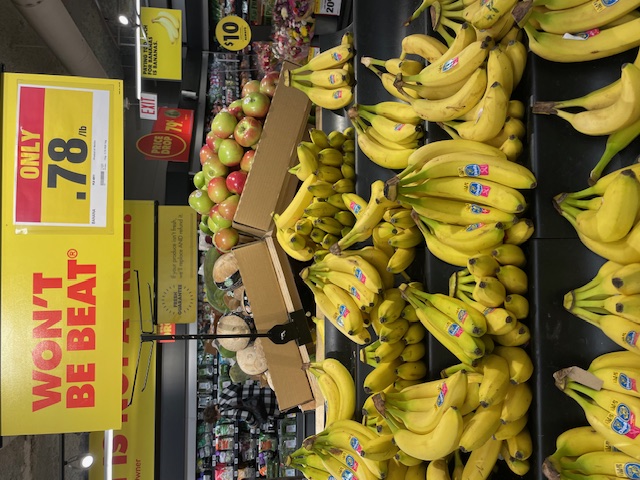
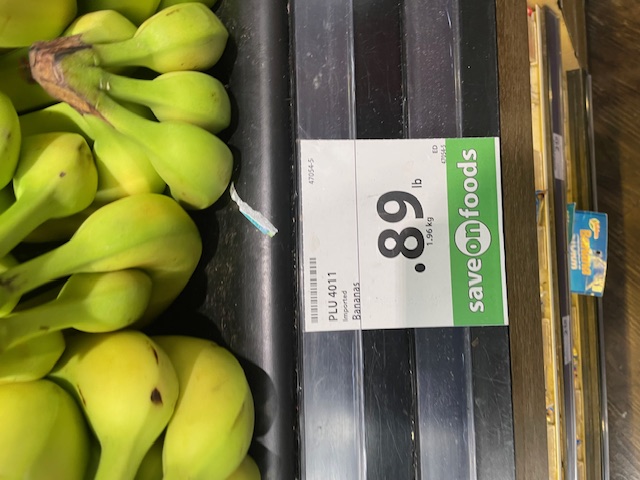
Bananas (per lb)

$0.78

—

$0.89

—

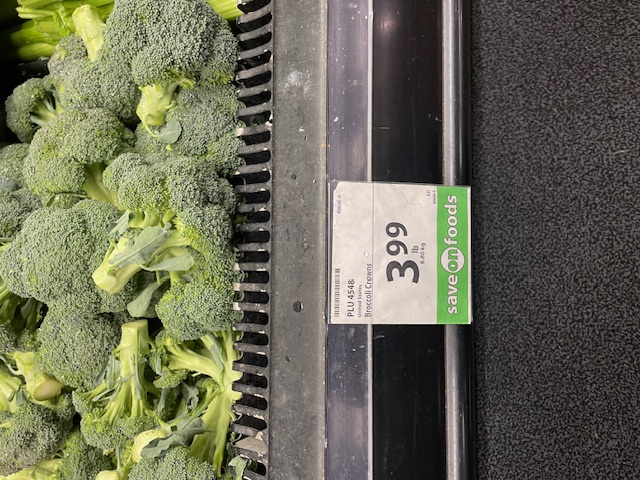
Broccoli (per lb)

$2.99

—

$3.99

—

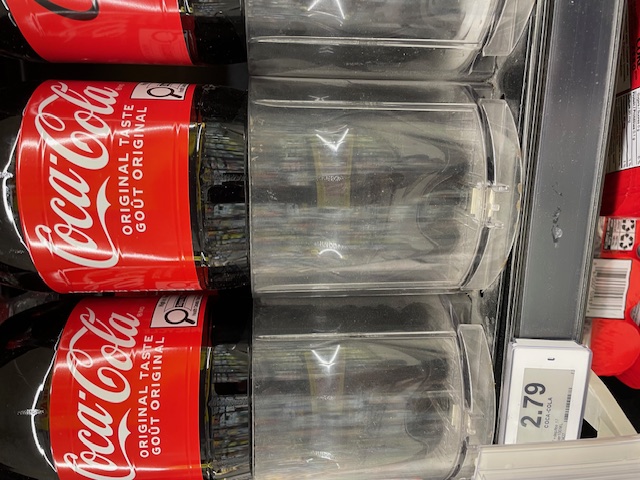
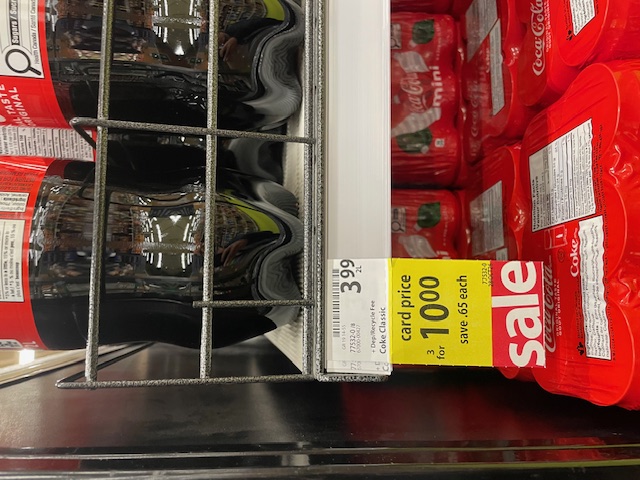
Coca-Cola (2 L)

$2.79

—

$3.99

$3.33

Earth's Own Organic Almond Milk (1.75 L)

$4.50

$3.50

$6.99

$4.99

Eco-Max Laundry Detergent (3 L)

$12.99

—

$17.69

—

Heinz Ketchup (750 mL)

$5.99

$4.99

$5.99

$5.89

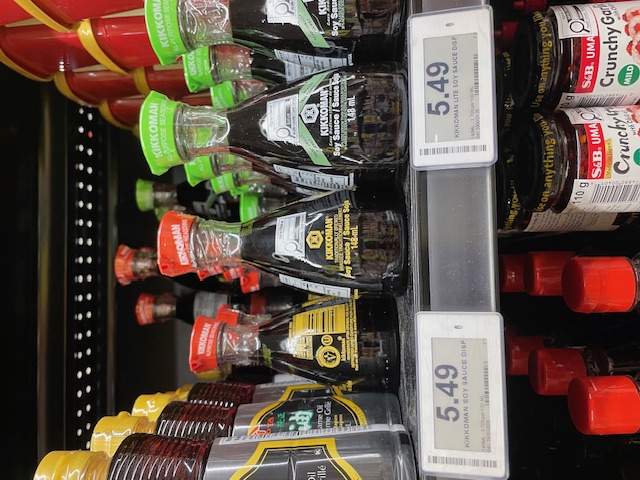
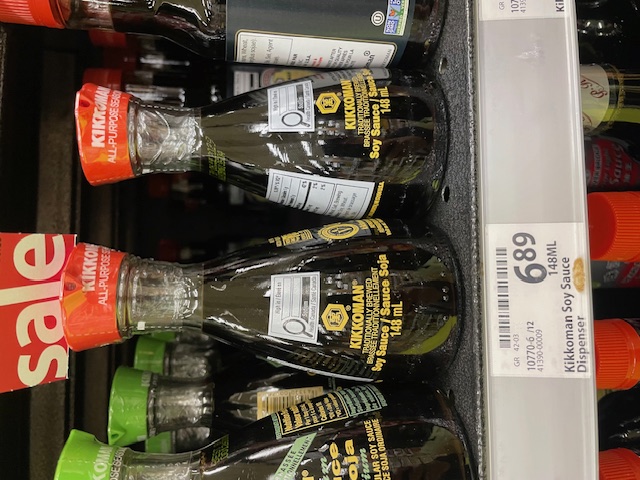
Kikkoman Soy Sauce (148 mL)

$5.49

—

$6.89

—

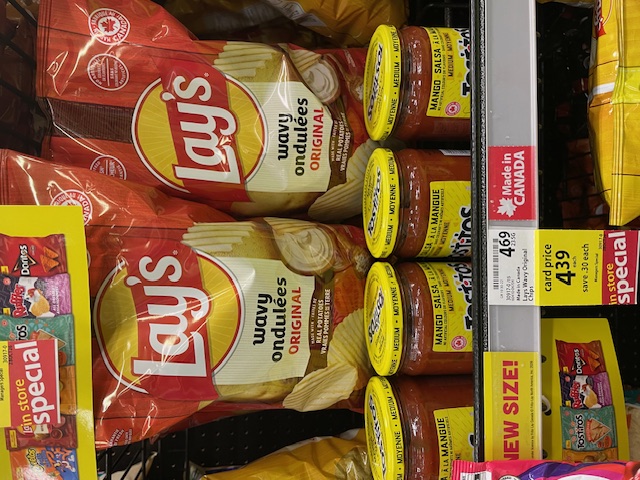
Lay's Potato Chips (235 g)

$4.00

$3.25

$4.69

$4.39

Lean Ground Beef (450 g)

$9.00

—

$9.50

—

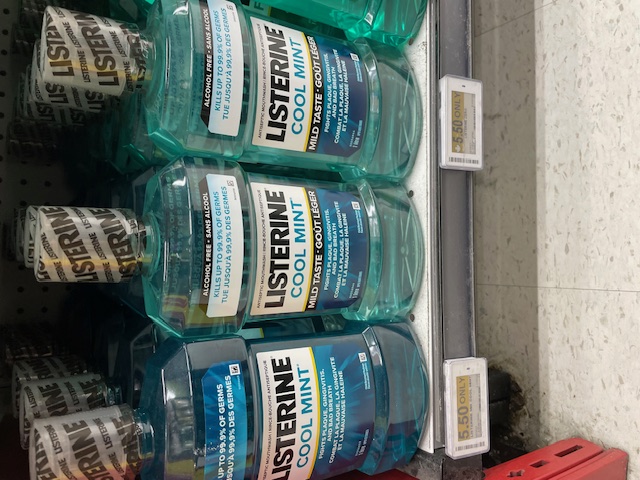
Listerine Mouthwash (1 L)

$7.99

$5.50

$9.99

$7.99

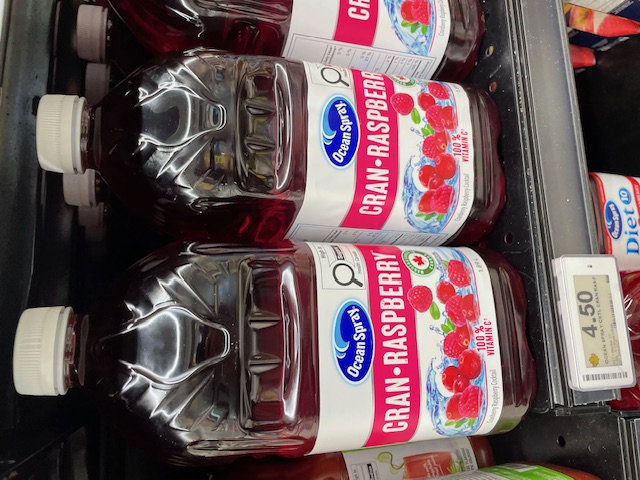
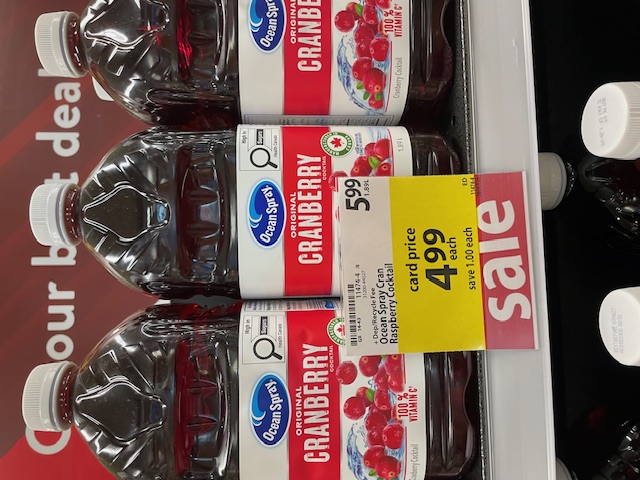
Ocean Spray Cranberry Juice (1.89 L)

$4.50

—

$5.99

$4.99

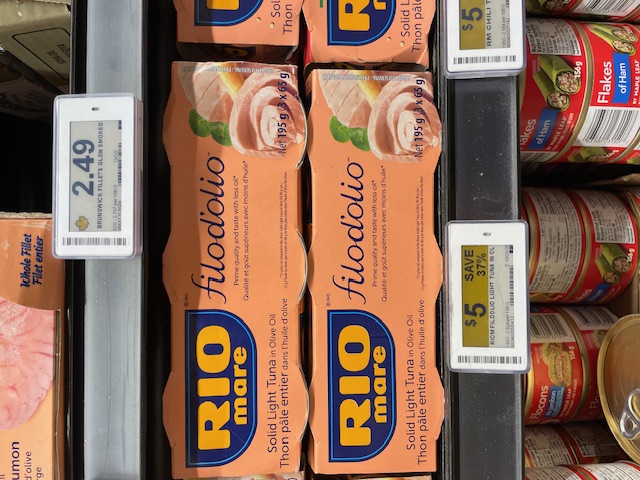
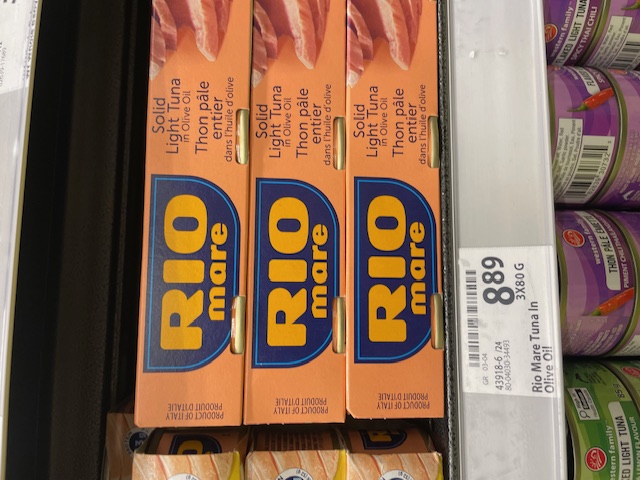
Rio Mare Tuna (pack of 3)

$7.99

$5.00

$8.89

—

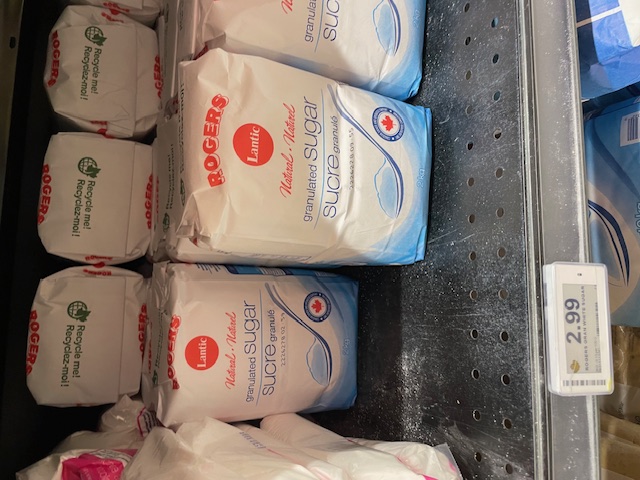
Rogers Sugar (2 kg)

$2.99

—

$4.29

—

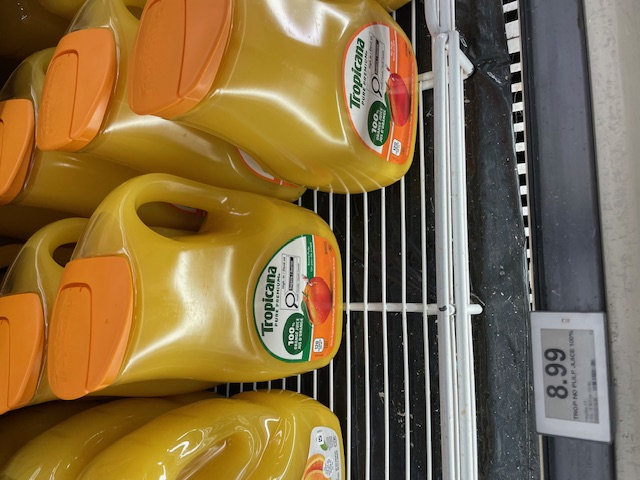
Tropicana Orange Juice (2.63 L)

$8.99

—

$11.99

—

Prices are in Canadian dollars and reflect the shelf prices recorded during the visits in October 2026. Sale prices are shown separately from regular prices. Prices and promotions may change.

What Stood Out in the Comparison?

NO FRILLS had lower regular prices on 14 of the 15 items

In this particular comparison, NO FRILLS had the lower regular shelf price on 14 of the 15 items and matched Save-On-Foods on Heinz ketchup. Overall, NO FRILLS offered the better prices across the products compared.

Some of the differences were small. Bananas, for example, were $0.78 per pound at NO FRILLS compared with $0.89 at Save-On-Foods. Broccoli showed a larger difference: $2.99 per pound versus $3.99.

For branded and packaged products, the gaps could be more noticeable. Earth's Own Organic Almond Milk was regularly priced at $4.50 at NO FRILLS and $6.99 at Save-On-Foods. Eco-Max Laundry Detergent was $12.99 at NO FRILLS compared with $17.69 at Save-On-Foods.

These results suggest that NO FRILLS may be the better starting point if your main priority is keeping grocery costs down. However, this is a comparison of a selected group of products, not every item in either store.

Sale prices can make a difference

Promotions changed the picture for several products.

Earth's Own Organic Almond Milk was on sale for $3.50 at NO FRILLS and $4.99 at Save-On-Foods. Listerine Mouthwash was $5.50 at NO FRILLS on sale, compared with $7.99 at Save-On-Foods on sale.

Some Save-On-Foods promotions narrowed the price gap. Coca-Cola, for example, was $3.99 at its regular price but $3.33 on sale. Even at the sale price, it was more expensive than NO FRILLS at $2.79.

For shoppers who are flexible about when they buy certain products, checking weekly promotions can be worthwhile. But it's also important to compare the regular prices of items you buy frequently, rather than assuming a sale always offers the best deal.

A few everyday items add up

The differences may not seem significant when looking at one product at a time. But if you regularly buy bagels, produce, drinks, pantry staples and household supplies, the savings can accumulate.

For example, the regular-price difference for laundry detergent was $4.70, while the difference for Tropicana Orange Juice was $3.00. Those are meaningful amounts when added to a weekly or monthly shopping budget.

The best approach is to pay attention to the products you buy most often. A price comparison is most useful when it reflects your own shopping habits.

A Closer Look at the Products

Fresh produce

Bananas were $0.78 per pound at NO FRILLS and $0.89 at Save-On-Foods. Broccoli was $2.99 per pound at NO FRILLS and $3.99 at Save-On-Foods. For these two common produce items, NO FRILLS had the lower prices during my visits.

Drinks and plant-based milk

Coca-Cola, Ocean Spray Cranberry Juice and Tropicana Orange Juice were all less expensive at NO FRILLS at their regular prices. Save-On-Foods did have sale prices for Coca-Cola and cranberry juice, but they remained more expensive than the regular NO FRILLS prices.

The difference in almond milk was also notable. Earth's Own Organic Almond Milk was $4.50 at NO FRILLS before its sale price of $3.50, compared with $6.99 regularly at Save-On-Foods and $4.99 on sale.

Pantry staples and snacks

NO FRILLS had lower regular prices for bagels, soy sauce, potato chips, tuna and sugar. Sale prices provided additional savings on ketchup, chips and tuna at NO FRILLS. Save-On-Foods also had a sale price on Lay's Potato Chips, but at $4.39 it was still higher than NO FRILLS' regular price of $4.00.

Meat and household essentials

Lean Ground Beef was $9.00 for 450 g at NO FRILLS and $9.50 at Save-On-Foods. The difference was relatively small, but it still favoured NO FRILLS.

Laundry detergent and mouthwash showed larger price gaps. Eco-Max Laundry Detergent was $12.99 at NO FRILLS compared with $17.69 at Save-On-Foods. Listerine Mouthwash was $7.99 regularly at NO FRILLS and $9.99 at Save-On-Foods, with sale prices of $5.50 and $7.99, respectively.

These examples are a reminder to compare household essentials as well as food when trying to manage a budget.

What About Convenience for UBC Residents?

Price isn't the only factor when choosing where to shop.

Save-On-Foods is located in Wesbrook Village, making it convenient for many people living in that part of the UBC campus. If you can walk to the store, pick up what you need and return home quickly, that convenience has value.

NO FRILLS on Alma Street is another option for the UBC community. Depending on where you live and how you travel, it may make sense to shop there for a larger grocery run or for products that offer better value.

If you have a car, the cost and time involved in travelling to another store may influence your decision. If you walk, cycle or take transit, the most convenient store may depend on your particular location and the amount you're buying.

You don't necessarily have to choose just one store. Some shoppers may prefer to buy most of their groceries at NO FRILLS and pick up a few items at Save-On-Foods when convenience matters most.

Tips for Grocery Shopping on a Budget at UBC

  • Compare regular prices as well as sale prices. A product on promotion isn't automatically cheaper than the same item at another store.

  • Check package sizes. Comparing the same brand and size makes it easier to identify the better deal.

  • Focus on your regular purchases. The products you buy every week will have the biggest impact on your grocery budget over time.

  • Keep an eye on promotions. If you use certain packaged products regularly, a good sale may be worth taking advantage of.

  • Consider your travel time. A small saving may not be worthwhile if getting to another store takes significantly longer.

So, Which Grocery Store Offers Better Value?

Based on these 15 products, NO FRILLS came out ahead on regular prices. It was cheaper on 14 items and tied on one in this comparison, although the difference varied by product. Sale prices at both stores offered additional savings, and promotions sometimes narrowed the gap.

For UBC students, residents and families trying to manage household expenses, NO FRILLS looks like a good option to consider for value. Save-On-Foods in Wesbrook Village remains a convenient choice for many campus residents, particularly when proximity matters.

Of course, this is only a snapshot of selected prices on one visit. Prices can change, and a different basket of groceries may produce a different result.

If you live in UBC, where do you usually shop for groceries? Have you noticed certain products that are consistently cheaper at one store? I'd be interested to hear what you've found.

Prices were recorded on October 28, 2026 and may change without notice. This comparison covers selected products and should not be considered a complete survey of either store's prices.

Read

Bright Corner Penthouse with North Shore Mountain Views in Desirable Kitsilano

PH7 - 2528 COLLINGWOOD ST AVE - The Westerly. Bright corner 3-bedroom Penthouse with North Shore mountain views!

This spacious, one-level home features high ceilings, oversized windows and abundant natural light. The foyer opens to a bright living and dining area.

The kitchen features extensive cabinetry, quartz countertops, a long breakfast bar, stainless steel appliances, gas range and full pantry.

The spacious primary bedroom features a walk-through closet and 5-piece ensuite with double sinks, soaker tub and separate shower. Full second bathroom, full-size laundry and Juliet balconies.

Fabulous Kitsilano location with easy access to UBC, parks, shopping, restaurants, cafes, schools and beaches.

Note - photos are from before tenants moved in. Some photos virtually staged.

For more information on this listing, please call or text Len Diaz at 604-551-1323.

Read

Head-Turning Modern Home in Richmond's Burkeville Enclave

251 DOUGLAS CRESCENT - A Next-Generation High-Performance Home, Engineered for Exceptional Energy Efficiency and Future Energy Independence.

A rare, head-turning modern home in Richmond’s sought-after Burkeville enclave on Sea Island. Custom-built with striking minimalist architecture and advanced energy-efficient construction, featuring SIP construction, insulated concrete slabs, added insulation, super air-tight design and Euroline tilt-and-turn triple-pane windows. EV ready, with an EnerGuide rating.

Durable metal roofing, soffits and architectural panels, plus Hardie siding, provide lasting curb appeal and minimal maintenance.

A huge laneway house adds exceptional flexibility for extended family, guests, a private workspace or rental income.

For more information on this listing, please call or text Len Diaz at 604-551-1323.


Read

Bright One Bedroom and Den just Steps to the SkyTrain in Vancouver's Collingwood

406 - 5288 MELBOURNE ST - EMERALD PARK PLACE!

Bright and well-maintained 1-bedroom + den with an excellent floor plan and views overlooking the tennis courts.

Floor-to-ceiling windows provide plenty of natural light, while laminate flooring, abundant cabinetry and oversized in-suite storage add comfort and functionality. The versatile den is ideal for a home office, library or a nursery.

Comes with 1 secure parking stall.

Enjoy an unbeatable urban lifestyle with Walk Score 92, Transit Score 83 and Bike Score 75. Ideally located near cafes, local shopping, Metrotown, Joyce Skytrain Station, parks and recreation.

A wonderful opportunity for first-time buyers, downsizers or investors! 


For more information on this listing, please call or text Len Diaz at 604-551-1323.

Read

Best Neighborhoods to Buy a Home in Vancouver in 2025

Looking to buy a home in Vancouver? Whether you’re a first-time buyer, growing your family, or investing in real estate, choosing the right neighborhood is one of the most important decisions you’ll make. In this guide, we explore the top Vancouver neighborhoods to buy property in 2025—based on affordability, livability, and future growth potential.


1. Mount Pleasant

Best for: Young professionals, creatives, first-time buyers
Average Home Price (2025): $1.2M (condos & townhomes)

Mount Pleasant continues to rise in popularity due to its vibrant culture, excellent walkability, and proximity to tech offices and breweries. With new condo developments and access to the Broadway SkyTrain line, it's one of the most connected and livable areas in Vancouver.

Why buy here?

  • Walking distance to Main Street shops and restaurants

  • Future value increase due to Broadway Corridor development

  • Young and dynamic community


2. Kitsilano

Best for: Families, beach lovers, nature enthusiasts
Average Home Price (2025): $1.5M (townhomes & condos)

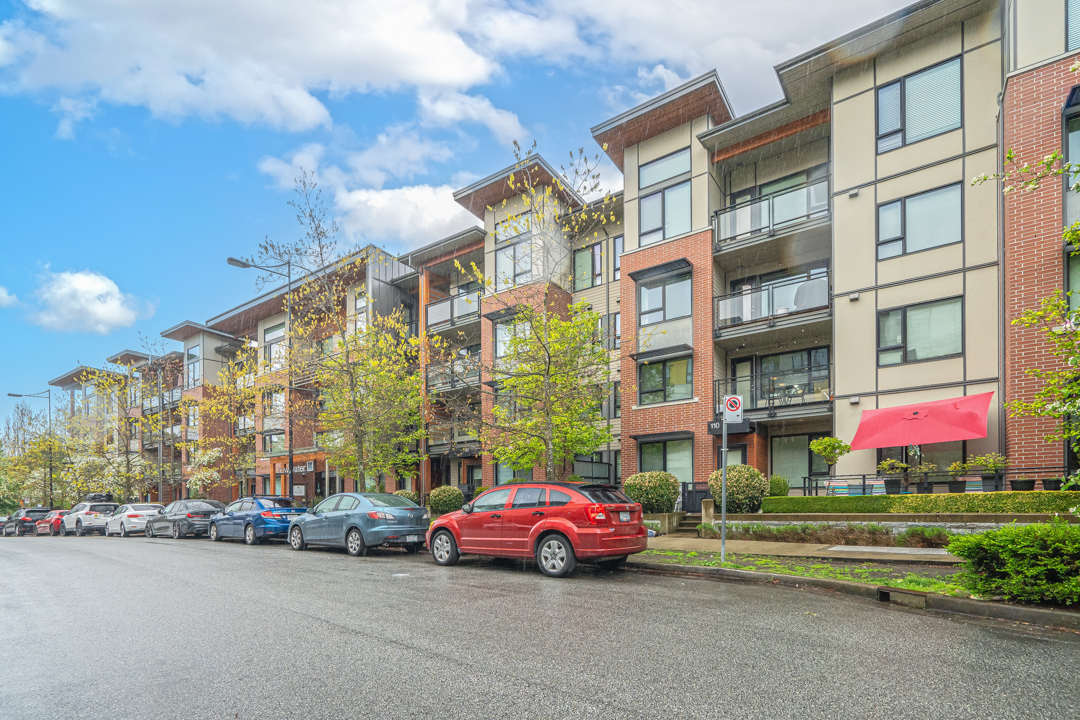
Kitsilano (or “Kits”) blends urban living with beach-town charm. The area offers high-rated schools, beautiful parks, and close access to downtown and UBC.

Why buy here?

  • Stunning beach access

  • Excellent resale value

  • Family-friendly community and schools


3. Riley Park – Little Mountain
Best for: Families, investors
Average Home Price (2025): $1.3M (detached homes)

Known for Queen Elizabeth Park and the Hillcrest Community Centre, Riley Park offers a blend of tranquility and convenience. The area has seen steady value growth and remains a smart long-term investment.

Why buy here?

  • Close to parks, schools, and hospitals

  • Quiet residential feel with strong community

  • Growing demand for family homes


4. Downtown Vancouver (Yaletown & Coal Harbour)

Best for: Investors, luxury buyers, professionals
Average Condo Price (2025): $950K

Looking for urban convenience and modern high-rises with amenities? Yaletown and Coal Harbour are premium choices. While more expensive per sq. ft., they offer excellent rental potential and lifestyle value.

Why buy here?

  • Ideal for short-term or luxury rentals

  • Walking distance to entertainment & Seawall

  • High security, amenities, and prestige


5. Renfrew-Collingwood

Best for: Budget-conscious buyers, transit access
Average Home Price (2025): $950K (townhomes)

One of the more affordable East Vancouver neighborhoods, Renfrew-Collingwood is rapidly changing. With multiple SkyTrain stations, schools, and newer developments, it's an up-and-coming area perfect for entry-level buyers.

Why buy here?

  • Better affordability

  • Great public transit options

  • Active redevelopment plans


Bonus Picks for 2025:

  • Marpole – Growing interest due to proximity to Richmond and airport

  • Grandview-Woodland – Emerging food & arts scene

  • Fraserhood – Trendy but still more affordable than Main Street


Final Tips for Buyers in 2025:

  • Get Pre-Approved: Vancouver’s market is competitive. Get pre-approved for a mortgage to stay ahead.

  • Work with a Local Realtor: A good agent can help you find hidden gems and navigate bidding wars.

  • Think Long-Term: Look at school zones, future transit plans, and zoning bylaws.


Ready to Buy in Vancouver?

Join our Vancouver Home Buyers List to get:

  • Weekly updates on market trends

  • New neighborhood spotlights

  • Free buyer checklists & tools

Contact Len Diaz at 604-551-1323

Read

The Ultimate Canvas: Build Your Custom Home in Vancouver's Tree-Lined Fraser Neighbourhood

847 E 22ND AVE - BUILDERS & INVESTORS alert. Priced below tax assessment value and on the market for the first time in years. It offers a unique lot size of 24.75' x 122' on a beautiful tree lined street in the popular Fraser area. Just a short walk to shops, cafes, and restaurants. Land value. No back lane.

Hold, rent, restore, renovate or custom build family home.

For more information on this listing, please call or text Len Diaz at 604-551-1323.


Read

North of 4th Townhouse in this Coveted Kitsilano Neighbourhood

1 - 2435 W 1ST AVE - First Avenue Mews, a 5 unit boutique development by Pennyfarthing.

This North of 4th 2-bedroom (2nd room does not have a window) & 2-bathroom townhome features open concept; polished concrete floors; gourmet kitchen with stainless steel appliances; air-conditioning; and French doors leading out to a large private South facing patio with natural gas outlets for BBQ.

The lower floor offers Nu-Heat flooring, large master suite, flex/media room (currently used as bedroom), custom sliding door to your secured private elevator access from the suite to the parking level and 2 private storage rooms.

Steps to all trendy shops, cafes and restaurants, parks, Kits Beach and just minutes to Downtown Vancouver.

For more information on this listing, please call or text Len Diaz at 604-551-1323.

Read

Bright One Bedroom and Den in Vancouver's River District

305 - 3133 RIVERWALK AVE - New Water, Polygon’s West Coast Modern development nestled along the shores of the Fraser River.

This bright, west facing 1-bedroom and den (flex) corner unit features large windows, an open concept floor plan and gourmet kitchen including quartz countertops and top-end stainless steel appliances (Bosch, Fisher & Paykel).

1 parking, 1 storage locker (conveniently located on the same floor), pets and rentals allowed.

River District is a vibrant and fast-growing community just steps to restaurants, shopping, trails and parks. Conveniently located with easy access to Metrotown, Marine Gateway and Downtown Vancouver.


For more information on this listing, please call or text Len Diaz at 604-551-1323.

Read
Categories:   1 Bedroom and Den | 2 Bedroom | 3 Bedroom | 55+ | Acadia | Age Restriction | Alexandra Court | Android | Aspac | Boeing | Bog | Broadway | Burkeville | buying real estate | Canada | Chancellor Place | Coach House | Collingwood | contemporary design | Corner | Cottage House | Crooked Roads | Custom Home | Detached House | Downtown | East Campus | Family Living at UBC | Foster + Partners | Fraser | Friendly | Grocery Shopping | Ground Floor | Hampton Place | Hawthorn Place | Healthcare | iPad | iPhone | Kerrisdale | Kitsilano Condo | Kitsilano townhouse | lanefab | laneway house | Leaning Houses | Leasehold Condos | Leasehold Homes | Living at UBC | Living in UBC | Living on UBC campus | Market Forecast | Meridian Gate | Mid-Century Modern House | Mobile | modern homes | Moving to UBC | Neighborhoods in Vancouver | Norma Rose Point School | Norman Foster | North of 4th | Olympic Village | Peat | Peat Area Vancouver Map | Penthouse | Polygon | Post and Beam | Private Elevator | Quilchena | Real Estate | Real Estate Investing | Richmond Real Estate | River District | River Green | Schools at UBC | Skytrain | Smart Phone | Soft Soil | South Campus | Student Living | Tablet | Tree-Lined Street | Tsawwassen Real Estate | ubc | UBC Campus | UBC Duplex | UBC Home Sales | UBC Homes Sales | UBC Leasehold | UBC Neighbourhood | UBC Real Estate | UBC Real Estate, New Developments | UBC Schools | UBC Townhomes | UBC Townhouses | UHill, UBC Schools | UN | University Hill Secondary | University Hill Secondary School | Vancouver | Vancouver Lot | Vancouver Real Estate | Vancouver Schools | View | Wesbrook Place | Wesbrook Village | Westcoast Modern | Work from Home | World Happiness Report
Reciprocity Logo The data relating to real estate on this website comes in part from the MLS® Reciprocity program of either the Greater Vancouver REALTORS® (GVR), the Fraser Valley Real Estate Board (FVREB) or the Chilliwack and District Real Estate Board (CADREB). Real estate listings held by participating real estate firms are marked with the MLS® logo and detailed information about the listing includes the name of the listing agent. This representation is based in whole or part on data generated by either the GVR, the FVREB or the CADREB which assumes no responsibility for its accuracy. The materials contained on this page may not be reproduced without the express written consent of either the GVR, the FVREB or the CADREB.